
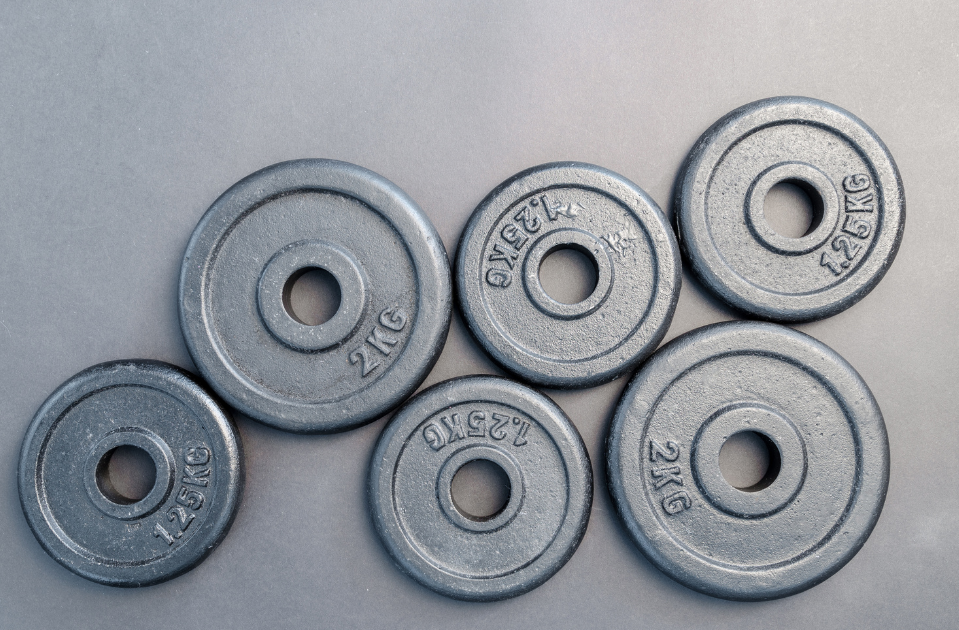
The Short Answer: Yes, But Not How You Think
Youth soccer strength training by age is essential for player development, but “lifting weights” means something very different for an 8-year-old than it does for a 14-year-old. The key is matching the training to the child’s developmental stage, not their competitive ambitions. When done correctly, age-appropriate strength programs improve speed, power, injury resistance, and overall athleticism in young players. Properly designed training doesn’t stunt growth or damage developing bodies—it builds them stronger.
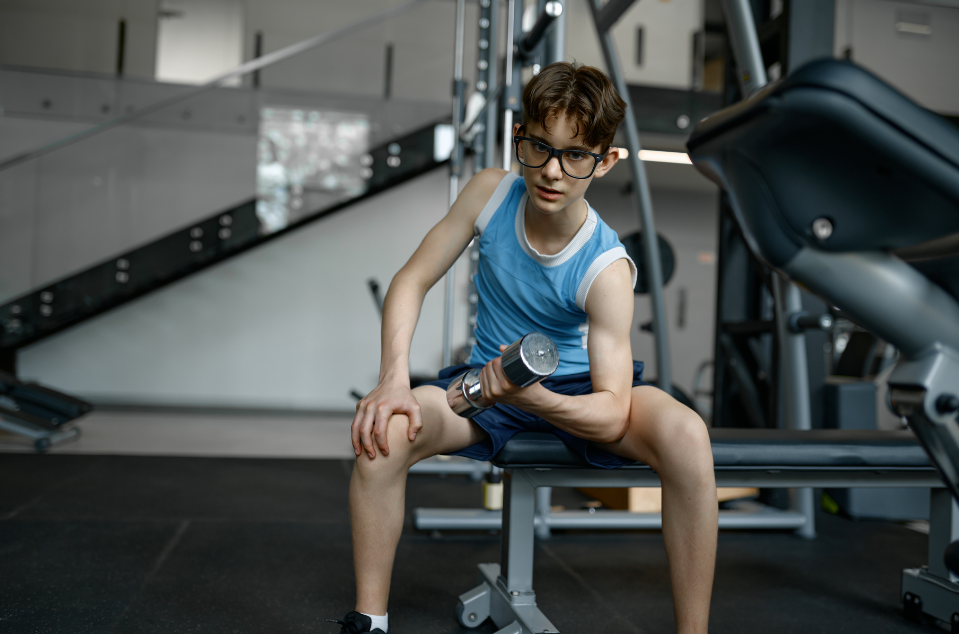
Why Strength Training Matters for Young Soccer Players
Injury Prevention
Strong muscles, tendons, and bones protect against common soccer injuries like ankle sprains, knee injuries, and hamstring strains. Players who follow structured strength programs significantly reduce their risk of severe injuries.
Performance Enhancement
Strength training improves sprint speed, jump height, agility, and change-of-direction ability—all critical for soccer. Studies demonstrate that youth players who combine strength work with soccer practice outperform those who only train on the field.
Long-Term Athletic Development
Starting strength training during pre-adolescence leads to better motor control throughout life. A 15-year-old who began training at 11 will progress faster than a peer who waited until 14.
Age-Appropriate Strength Training Guidelines
U8 (Ages 7-8): Play-Based Movement
What’s Safe:
- Bodyweight exercises only
- Movement-focused activities (jumping jacks, bear crawls, animal walks)
- Games involving running, jumping, skipping, throwing
- Basic coordination drills
What to Avoid:
- Any external weights or resistance equipment
- Structured “workout” environments
- Technical lifting instruction
Key Focus: Make it fun. At this age, strength training should look like active play that develops fundamental movement patterns—squatting, lunging, pushing, pulling, jumping, and landing.
Sample Activities:
- Tag games with direction changes
- Jumping over cones or small hurdles
- Crab walks and bear crawls
- Hopscotch and skipping rope
U10 (Ages 9-10): Building the Foundation
What’s Safe:
- Continued bodyweight exercises with better form
- Basic movements: push-ups, pull-ups, squats, lunges, planks
- Introduction to proper movement mechanics
- Short sets with emphasis on technique
What to Avoid:
- Heavy resistance or maximum effort lifts
- Complex Olympic lifting movements
- Training to muscle failure
Key Focus: Teach proper form and body control. This is the age to establish excellent movement patterns that will serve players for life. Keep sessions short and engaging.
Sample Exercises:
- Wall push-ups progressing to knee push-ups
- Assisted pull-ups or inverted rows
- Bodyweight squats and split squats
- Plank holds (10-30 seconds)
- Single-leg balance exercises
U12 (Ages 11-12): Adding Light Resistance
What’s Safe:
- All bodyweight movements with focus on quality
- Resistance bands and medicine balls
- Very light dumbbells (2-5 lbs) for teaching purposes
- Introductory plyometrics (jump training)
- Core stability work
What to Avoid:
- Heavy barbell work
- Maximum effort lifts
- Muscle-building programs designed for adults
Key Focus: Introduce external resistance gradually while maintaining perfect technique. Players should be able to complete 8-15 reps with proper form. If form breaks down, the resistance is too heavy.
Sample Program:
- Goblet squats with light dumbbell
- Resistance band rows and presses
- Medicine ball slams and throws
- Box jumps (low height, focus on landing)
- TRX or suspension training exercises
Training Frequency: 2-3 times per week, 30-40 minutes per session
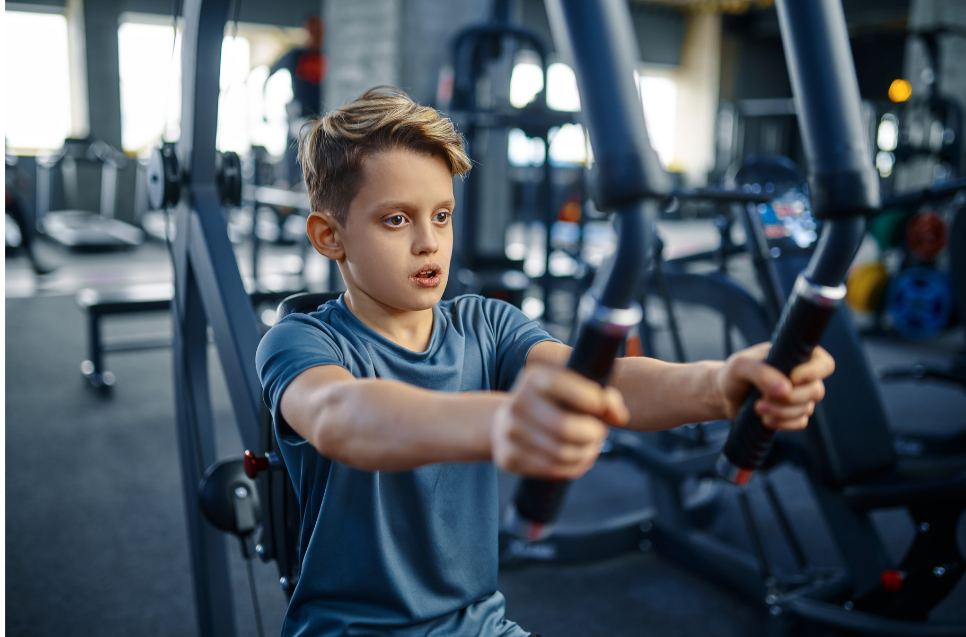
U14 (Ages 13-14): Progressive Resistance Training
What’s Safe:
- Controlled weight training with barbells and dumbbells
- Progressive resistance programs
- Sport-specific power development
- More advanced plyometric training
- Structured strength and conditioning programs
What to Avoid:
- Maximum single-rep lifts
- Heavy Olympic lifts without proper coaching
- Adult bodybuilding programs
Key Focus: Build strength, power, and resilience through progressive loading. At this age, most players have the physical maturity to handle structured resistance training. Proper supervision and coaching remain essential.
Sample Program:
- Trap bar or goblet deadlifts (4-6 sets of 5-8 reps)
- Front squats or back squats (4-6 sets of 5-10 reps)
- Dumbbell bench press or push-ups (3-4 sets of 8-12 reps)
- Pull-ups or lat pulldowns (3-4 sets of 6-10 reps)
- Jump squats or box jumps (3-5 sets of 3-5 reps)
- Core work (planks, anti-rotation exercises)
Training Frequency: 2-4 times per week, 45-60 minutes per session
Load Guidelines: Players should lift weights they can handle for the prescribed reps with excellent form. Generally, this means working at 70-80% of maximum for strength work, and 30-50% for explosive/speed work.
Critical Safety Principles for All Ages
Qualified Supervision
Children should always be supervised by a coach, trainer, or parent who understands age-appropriate training. Proper instruction on technique is non-negotiable.
Perfect Form Over Heavy Weight
If a young player can’t complete at least 8 reps with proper technique, the weight is too heavy. Form always comes first.
Progressive Overload
Increase difficulty gradually—whether that means more reps, better form, shorter rest periods, or eventually adding light resistance.
Warm-Up and Cool-Down
Every session should include 5-10 minutes of dynamic warm-up and stretching to prepare muscles and prevent injury.
Listen to the Body
Pain is a signal to stop. Soreness is normal; sharp pain is not. If something hurts, stop immediately.
Balance with Soccer Training
Strength work should complement, not replace, soccer practice. Most youth players need 2-3 strength sessions per week, not daily training.
Common Myths About Youth Soccer Strength Training By Age
Myth: Weightlifting Stunts Growth
Research shows that properly supervised strength training does not damage growth plates or stunt growth. In fact, it strengthens bones and supports healthy development.
Myth: Kids Are Too Young to Get Stronger
Children as young as 7-8 can improve strength through neuromuscular adaptations (better muscle activation and coordination). Muscle growth increases after puberty, but strength gains happen at any age.
Myth: Only Bodyweight Training Is Safe
While bodyweight exercises are excellent and should form the foundation, adding appropriate resistance (bands, light weights, medicine balls) is safe and beneficial for older youth players when properly supervised.
Myth: More Is Better
Young athletes need recovery time. Overtraining leads to burnout and injury. Quality training 2-3 times per week beats daily sessions every time.

When to Seek Professional Guidance
Consider working with a certified strength and conditioning specialist or sports performance coach if:
- Your child plays competitive travel soccer
- You’re unsure about proper exercise form
- Your child has a history of injuries
- You want to design a periodized program that integrates with their soccer season
- Your child is ready to progress beyond basic bodyweight movements
The Bottom Line
Strength training is not only safe for youth soccer players—it’s beneficial. The keys are:
- Match training to developmental age, not competitive level
- Prioritize movement quality and fun for younger players
- Progress gradually with proper supervision
- Focus on injury prevention as much as performance
- Keep it balanced with soccer practice and rest
Starting young players with age-appropriate strength work builds a foundation for long-term athletic success, keeps them healthier on the field, and develops life-long movement skills. The question isn’t whether youth soccer players should do strength training—it’s whether they’re doing it the right way for their age.
Ready to Start? Begin with bodyweight movements, focus on perfect form, and make it enjoyable. As players develop and mature, gradually introduce more challenging exercises under proper supervision. The investment in smart, age-appropriate strength training pays dividends in performance, injury prevention, and athletic longevity.
Building Complete Youth Soccer Athletes
Strength training is just one piece of youth soccer development. As you build your child’s physical foundation, don’t forget that mental toughness matters just as much—resilience in the weight room translates to confidence on the field. And with 2026 age group changes coming this fall, your child may be adjusting to new teammates while developing these critical physical and mental skills.