
How to Coach U10 Soccer for Beginners: A Quick-Start Guide
Your Experience Doesn’t Matter—Your Enthusiasm Does
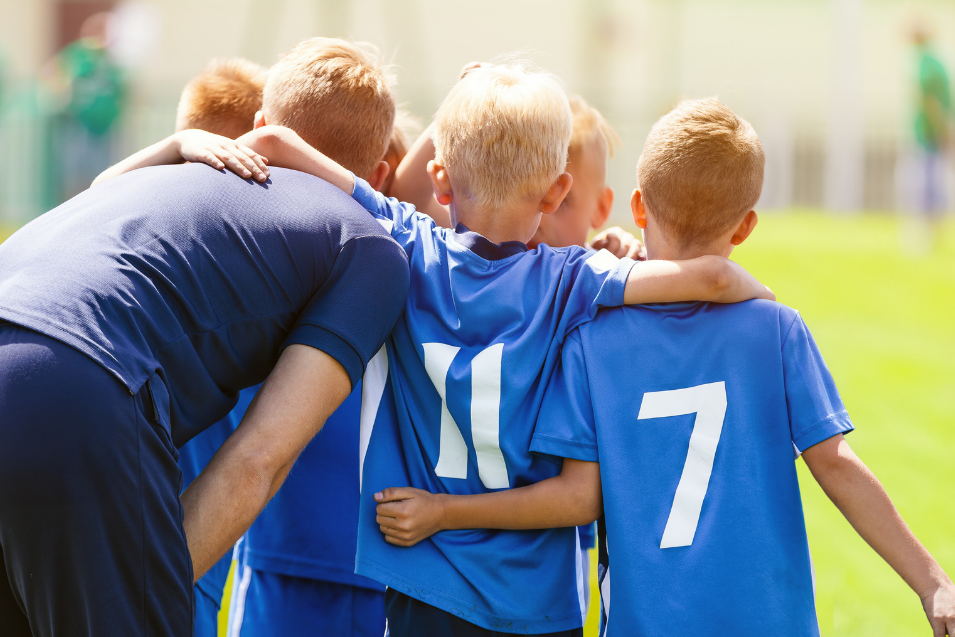
Learning how to coach U10 soccer for beginners starts with understanding this: your lack of playing experience doesn’t matter. At the U10 level (ages 9-10), successful coaching is about creating a positive environment where kids learn and have fun, not about professional credentials. You’re a mentor and motivator first, soccer expert second.
Understanding U10 Players
Physical: Significant size and coordination differences are normal. Some kids hit growth spurts while others haven’t started.
Cognitive: Better attention spans than younger kids, can follow multi-step instructions, but still learn best through repetition and hands-on practice, not lengthy explanations.
Emotional: Sensitive to criticism, thrive on positive reinforcement. Emphasize effort over winning.
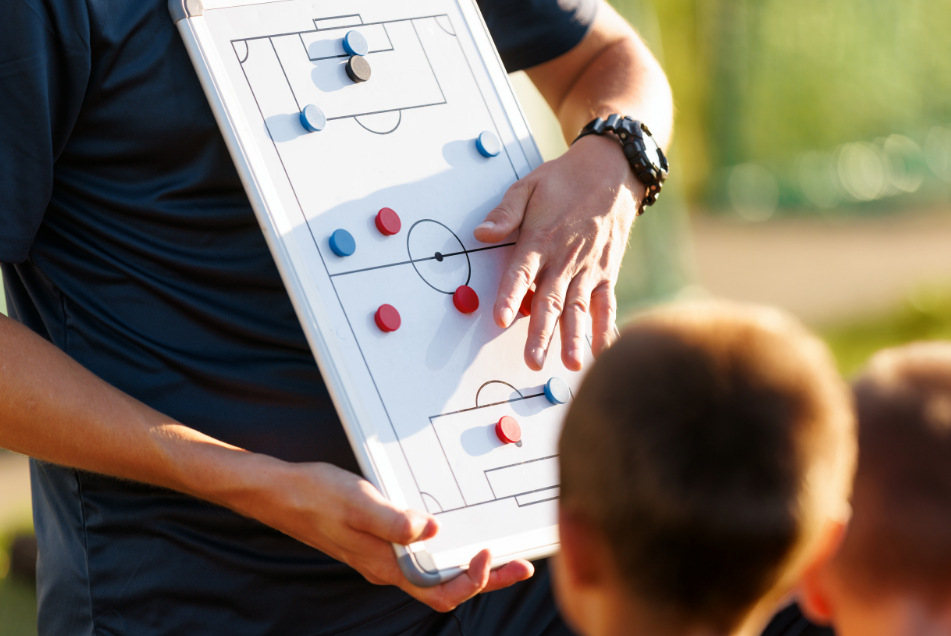
Essential Soccer Skills to Teach
1. Ball Control
What to teach: Receiving the ball with inside, outside, and instep of the foot.
Key points:
- Get body behind the ball
- Use inside of foot for most receives
- Keep head up to see the field
- First touch away from pressure
2. Passing
What to teach: Inside of foot for short passes, instep for longer passes.
Progression:
- Partner passing (stationary)
- Passing while walking
- Passing with light defensive pressure
- Small-sided games
3. Shooting
What to teach: Inside of foot for accuracy, instep for power.
Key points:
- Plant foot next to ball
- Eyes on ball
- Follow through toward target
- Keep shots low and on target
4. Dribbling
What to teach: Touches with inside and outside of both feet. Simple moves like step-over and pull-back.
5. Basic Defending
What to teach: Stay goal-side of attackers, approach at an angle, tackle with inside of foot.
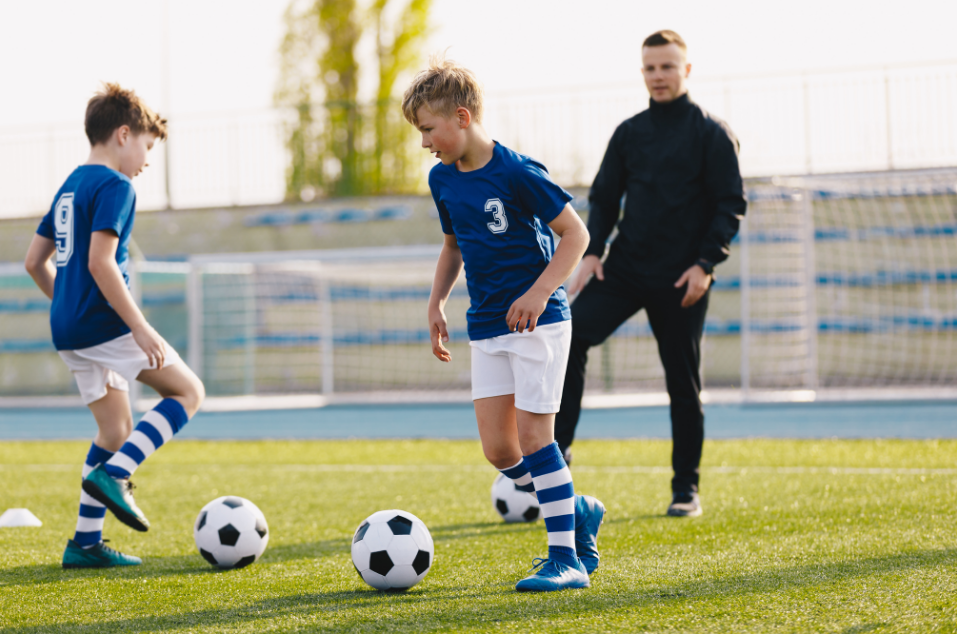
The 60-Minute Practice Plan
Warm-Up (10 minutes)
- Light jogging and dynamic stretching
- Basic ball touches
- Fun games like red light/green light with balls
Technical Skills (20 minutes)
- Focus on ONE skill per practice
- Brief explanation, quick demonstration
- Lots of repetition
- Positive corrections
Small-Sided Games (20 minutes)
- 3v3 or 4v4 games
- More touches and decisions for each player
- Teaches tactics naturally
Scrimmage & Cool-Down (10 minutes)
- Fun scrimmage reinforcing the day’s lesson
- Light stretching
- Team discussion
Essential Equipment Checklist
- Size 4 soccer balls (one per player)
- Colored pinnies/vests
- Small cones
- Pop-up goals or large cones
- Water bottles
- First aid kit
Game Day Tips
Before the Game:
- Arrive early
- Create consistent pre-game routine
- Focus on positive energy
- Remind players of practiced techniques
During the Game:
- Keep instructions simple and positive
- Focus on encouragement: “Great effort!” “Look up!” “Stay spread out!”
- Avoid complex tactical adjustments
- Emphasize fun and trying their best
Substitutions:
- Distribute playing time equally
- Create a substitution plan beforehand
- Be fair to all players
Working with Parents
Set Clear Expectations:
- Hold a preseason meeting
- Discuss your philosophy: development over winning
- Explain practice schedules and behavioral expectations
Encourage Positive Sidelines:
- Cheer for effort and good plays
- No negative comments about refs or opponents
- Remember: players hear everything
Communication:
- Establish clear channels for concerns
- Implement 24-hour rule: wait a day after games to discuss emotional topics
- Be available for respectful conversations
Common Mistakes to Avoid
- ❌ Over-coaching during games – Let players make decisions and learn from mistakes
- ❌ Focusing too much on winning – Celebrate effort, improvement, and sportsmanship
- ❌ Treating all players the same – Adapt to individual needs and abilities
- ❌ No practice plan – Always prepare more activities than needed
Safety Essentials
- Proper warm-up and cool-down every session
- Inspect fields for hazards
- Ensure goals are anchored
- Teach proper hydration
- Keep emergency contacts updated
- Know signs of common injuries
Measuring Real Success
Success isn’t wins and losses. Look for:
- ✓ Players excited for practices and games
- ✓ Improved individual skills throughout season
- ✓ Better teamwork and communication
- ✓ Players supporting teammates
- ✓ Positive parent feedback
- ✓ Players wanting to play next season
Quick Learning Resources
Online:
- US Soccer Federation coaching courses
- YouTube channels for youth soccer development
- Soccer coaching websites with drill libraries
Local:
- Coaching clinics from local soccer associations
- Mentorship with experienced coaches
- Referee training to understand rules better
Your Coaching Journey Starts Now
Remember: Your enthusiasm, organization, and genuine care matter more than perfect technical knowledge. Focus on creating positive experiences, teaching fundamentals through fun activities, and fostering a team environment where every player feels valued.
At U10, fun and development always come before trophies. Trust yourself, stay committed to learning, and never forget that you’re helping shape confident, resilient individuals both on and off the field.