Confidence Is a Skill — Not a Personality Trait (Every Young Athlete Needs to Hear This)
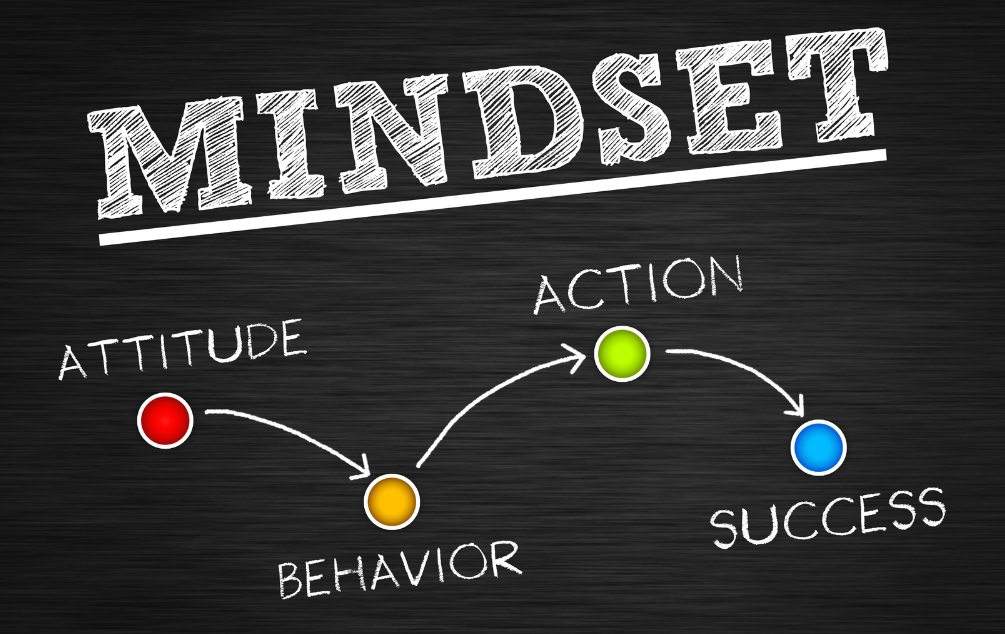
For young athletes, confidence is a skill — and you don’t have to be born with it. You just have to train it. Ever watched a teammate step up to the plate, take the field in the final minutes, or face a tough opponent one-on-one — and just look completely unshakeable? And thought to yourself, “I could never be that calm. They’re just built different.” Spoiler: they’re not. They built it. And so can you.
What if we told you that’s not true?
Confidence is not something you’re born with. It’s something you build — just like strength, speed, and skill. And if you’re a young athlete, that is one of the most powerful things you’ll ever learn about yourself.

The Biggest Lie in Youth Sports
Somewhere along the way, athletes start believing that confidence is a personality trait — that some players just have it and others don’t. Coaches see a kid shrink in the big moment and think, “They’re just not a confident kid.” Athletes internalize it and stop trying to change.
That belief is holding young athletes back more than any opponent ever could.
The truth? Confidence is a trainable skill. Sports psychologists, elite coaches, and Olympic-level athletes all agree: mental confidence is built the same way physical fitness is built — through consistent, intentional work.
“Confidence isn’t about feeling ready. It’s about trusting the work you’ve already put in.”
What the Science Says About Confidence in Athletes
Psychologist Albert Bandura’s research on self-efficacy — your belief in your ability to perform — shows that confidence comes from experience, not personality. For athletes, that means:
- Every rep you take in practice builds evidence that you can do it in a game
- Every time you push through fatigue teaches your brain that you’re capable under pressure
- Every mistake you recover from proves to yourself that failure isn’t final
This is called performance confidence — and it’s one of the most heavily studied topics in sports psychology. Youth athletes who are taught to build confidence outperform those who are simply told to have it.
The science is clear: you are not stuck.
Why This Matters So Much for Young Athletes
The youth sports years are a critical window. The habits, beliefs, and mental skills athletes develop between ages 10–18 don’t just shape their athletic careers — they shape their entire lives.
Young athletes who learn that confidence is something they control go on to:
- Perform better under pressure
- Bounce back faster from injury and setbacks
- Develop stronger leadership skills
- Carry mental toughness into school, relationships, and careers
This isn’t just about sports. Teaching a young athlete that confidence is a skill is one of the greatest gifts a coach or parent can give.
5 Ways Young Athletes Can Start Building Confidence Right Now
1. Trust Your Training
When the big moment comes, your preparation speaks louder than your nerves. Remind yourself: “I’ve done this work. My body knows what to do.” Confidence in competition is built in practice — show up every day like it matters, because it does.
2. Reframe Mistakes as Coaching Moments
Every elite athlete makes mistakes. What separates them isn’t perfection — it’s the ability to shake it off and reset. Next time you mess up, ask: “What can I learn from that?” instead of “Why am I so bad at this?” That mental shift is everything.
3. Use Positive Self-Talk (Yes, It’s a Real Skill)
The voice in your head is either your biggest fan or your harshest critic — you choose which one shows up. Top athletes train their self-talk just like they train their footwork. Try this: replace “I can’t” with “I’m working on it.” That one shift rewires how your brain responds to pressure.
4. Set Process Goals, Not Just Outcome Goals
Instead of “I need to score today”, try “I’m going to stay aggressive in the first half.” Confidence skyrockets when you focus on what you can control. Outcomes aren’t always in your hands — your effort always is.
5. Celebrate the Reps, Not Just the Results
Did you stay late to practice that drill? Did you push through a hard conditioning session? That matters. Confidence is built in the moments nobody sees. Acknowledge your effort — your brain is keeping score, and every win stacks up.
A Note for Coaches and Parents
If you work with or raise a young athlete, your words carry weight they may never tell you about.
When you replace “Why aren’t you more confident out there?” with “Let’s work on building your mental game” — you change everything. You shift confidence from a judgment to a skill they can develop, give them agency and provide them with hope.
Confident athletes aren’t born in the locker room. They’re built there — rep by rep, day by day, with the right people in their corner.
The Bottom Line for Every Young Athlete Reading This
You are not “just not a confident athlete.” You are an athlete who is still building the mental skills that create confidence. That is not a weakness. That is a work in progress — and a work in progress is exactly where growth lives.
The greatest athletes in the world weren’t always fearless. They learned to act despite the fear. They trained their minds the same way they trained their bodies.
Now it’s your turn.
Show up. Do the work. Trust the process. Confidence is coming — because you’re going to build it.
Know a Young Athlete Who Needs to Hear This?
Share this post with them. Tag a teammate, a coach, a parent, or a young athlete in your life who needs this reminder today.
👉 Save it. Share it. Send it. Because the next generation of athletes deserves to know that confidence isn’t something you wait for — it’s something you earn.
Passionate about youth athlete development and sports mindset? Dive deeper with these related reads: Mental Toughness in Youth Soccer: 5 Ways to Build Resilience and Leadership Development Through Youth Soccer — because building a champion goes way beyond physical training.