If you’ve ever stood on the sideline wondering what your kid is actually supposed to be doing out there — this is for you. Here are all youth soccer positions explained for parents, finally, in plain English. Save it, share it with your team parents, and drop it in the group chat. You’ll want to come back to this one..
First, Let’s Get the Big Picture on Youth Soccer Positions
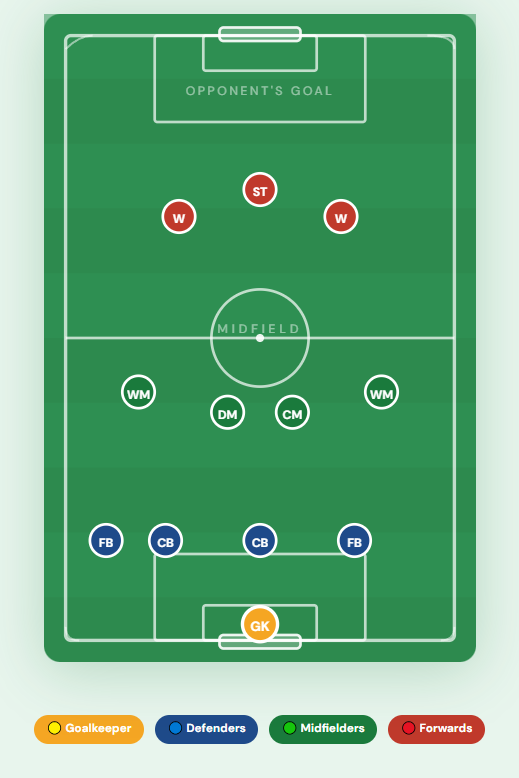
A full-sided youth soccer team has 11 players. Every player has a job. When everyone does their job, the team flows beautifully. When they don’t — well, that’s also soccer.
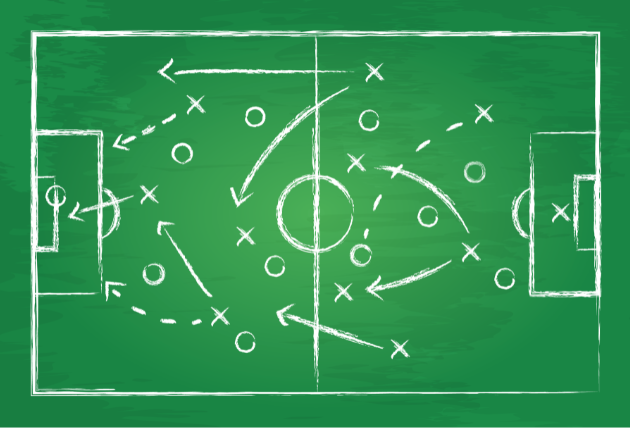
The field is divided into three zones: Defense, Midfield, and Attack. Positions are grouped the same way. Simple as that.
Goalkeeper — “The Last Line”
The goalkeeper is the only player allowed to use their hands — but only inside the penalty box. Their entire job is to stop the ball from crossing the goal line.
But here’s what most parents miss: a great goalkeeper does far more than make saves. They organize the entire defense, command the penalty box on corners and crosses, and restart attacks with throws and goal kicks.
Key Skills: Quick reflexes, bravery, communication, positioning
What to cheer for: Don’t just cheer saves. Cheer when your goalkeeper comes out to claim a cross, yells instructions to defenders, or makes a smart decision to punch the ball away instead of catching it. That’s elite goalkeeping at any age.
Center Back — “The Wall”
Center backs are the backbone of the defense. They stand between opposing strikers and the goalkeeper, win headers, make tackles, and clear danger from the penalty area.
The best center backs don’t just react — they read the game before it happens. They see the threat coming and cut it off before it becomes a problem.
Key Skills: Tackling, heading, positioning, leadership
What to cheer for: Celebrate clearances, interceptions, and smart positioning. Center backs rarely score — but they quietly win games. Every clean sheet starts with them.
Full Back — “The Flank Guard”
Full backs protect the wide areas of the defense. They mark opposing wingers and stop crosses from coming in — then sprint forward to join attacks on their side of the field.
In modern soccer, full backs are two-way players. They defend, then attack, then defend again. They run more ground than almost anyone on the field.
Key Skills: Speed, stamina, crossing, 1v1 defending
What to cheer for: Cheer their tracking runs back just as much as their surges forward. If your full back looks exhausted — that means they’re doing it exactly right.
Defensive Midfielder — “The Anchor”
The defensive midfielder sits just in front of the back four and acts as a shield for the whole defense. They break up attacks, win the ball back, and keep possession simple.
This is the position coaches notice most and parents notice least. If you have a kid who plays here, watch closely — they’re quietly controlling the whole game.
Key Skills: Interceptions, tackling, simple passing, awareness
What to cheer for: Watch how many attacks they stop before those attacks even develop. A well-timed interception at midfield is worth just as much as a goal.
Central Midfielder — “The Engine”
Central midfielders run box to box, connect defense to attack, control the tempo, and contribute to both scoring and defending.
The often referred to as the #10 (attacking midfielder) focuses on creating chances — threading passes, finding pockets of space, unlocking defenses. The commonly known as the #8 (box-to-box midfielder) does everything — defend, transition, attack, repeat.
Key Skills: Vision, passing, stamina, ball control
What to cheer for: Watch for smart passes that find teammates in space. That’s not luck — it’s vision. Midfielders win games with decisions, not just skill.
Winger — “The Speedster”
Wingers hug the touchlines and use their speed and dribbling to beat defenders 1v1. Their job is to get to the end line and cross the ball into the box — or cut inside and shoot.
They’re also expected to track back and defend when the team loses the ball. A winger who only attacks is only doing half their job.
Key Skills: Dribbling, speed, crossing, 1v1 attacking
What to cheer for: Cheer the attempt — even when they get beaten. Wingers who stop trying to take on defenders stop being effective. The courage to try again after getting tackled is the whole skill.
Striker — “The Finisher”
The striker is the team’s primary goal scorer. They make clever runs behind the defense, hold the ball up under pressure, and finish chances with composure. A great striker is always thinking about the next opening — before the ball even arrives.
But goals are only part of the job. Strikers also press defenders, win headers to bring teammates into play, and create space for midfielders by pulling defenders out of position.
Key Skills: Finishing, movement, composure, hold-up play
What to cheer for: Cheer missed shots. Seriously. A striker who missed means they got in the right position and took their chance. Stop shooting, stop scoring. Bravery in front of goal is everything.
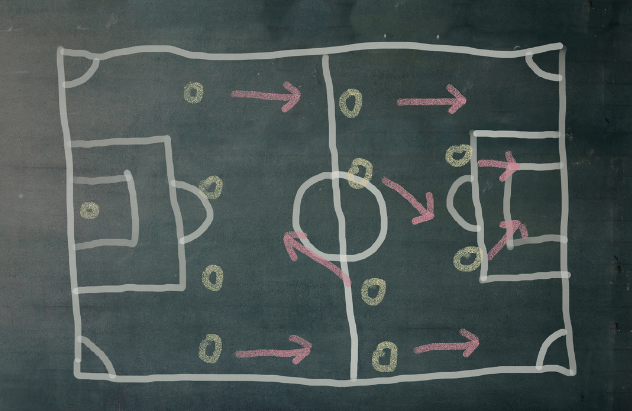
When Do Youth Soccer Positions Actually Matter? (Age Guide)
| Age Group | Format | What to Expect |
|---|---|---|
| U6 – U8 | 3v3 to 4v4 | No positions. No goalkeeper. Just touching the ball constantly. This is correct and intentional. |
| U9 – U10 | 7v7 | First goalkeeper. Basic zones introduced. Kids still rotate freely between roles. |
| U11 – U12 | 9v9 | Natural strengths start showing. Coaches begin matching players to fitting positions. |
| U13+ | 11v11 | Full-sided soccer. Position specialization matters more, but good programs still develop players in 2–3 roles. |
5 Things Every Parent Needs to Know About Youth Soccer Positions
1. Rotate early, specialize later. Before U12, let kids try every single position — including goalkeeper. Players who understand all roles become smarter athletes. Early specialization limits long-term potential.
2. Cheer the right things. Defensive clearances, smart passes, and brave dribbles matter just as much as goals. When parents celebrate all contributions, kids stop being afraid to make mistakes.
3. Jersey number ≠ position. Your kid might wear #8 and play winger. Or wear #11 and drop into midfield. Numbers are traditional — always ask the coach about your child’s actual role.
4. Every position wins games. Goals win games, but defenders prevent losses. Midfielders create the chances. Goalkeepers preserve leads. Help your child see value in whatever position they play — all roles matter equally.
5. Ask the coach. Every team’s system is different. A two-minute conversation after practice is worth more than any guide — including this one. The coach knows your child’s game best.
FAQ
There isn’t really an “easy” one — every position asks something different of a young player. Most coaches start beginners in central positions (defense or midfield) where they touch the ball often and can see the whole game develop in front of them.
Not before U11–U12. Before that, youth soccer positions should rotate constantly so kids build an all-around feel for the game.
Yes — the same core roles (goalkeeper, defender, midfielder, forward) carry all the way up. What changes with age is how specialized and tactical each role becomes.
Share This Post
Know a soccer parent who has no idea what’s happening on the field? Send them this. Know a coach who could use a resource for parent night? This is it. The more parents understand the game, the better the experience for every kid on that field. And once your player knows their position, make sure they’re geared up and game-ready — check out our Best Soccer Cleats for Kids in 2026 and help them build real on-field strength with our Youth Soccer Strength Training Guide.
⚽ Save it. Share it. See you on the sidelines.