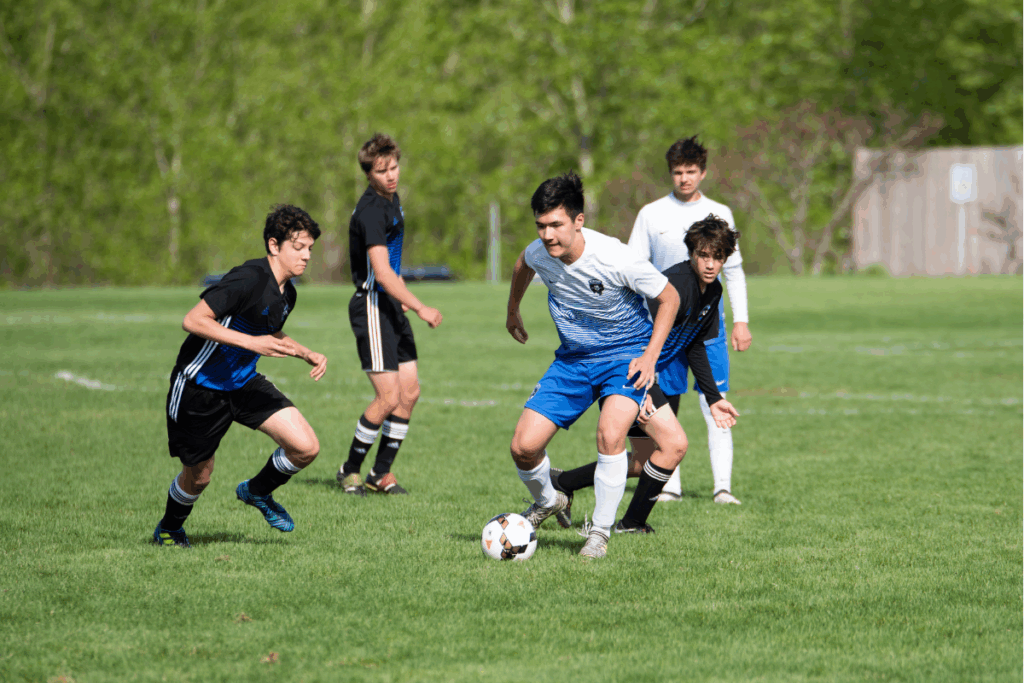
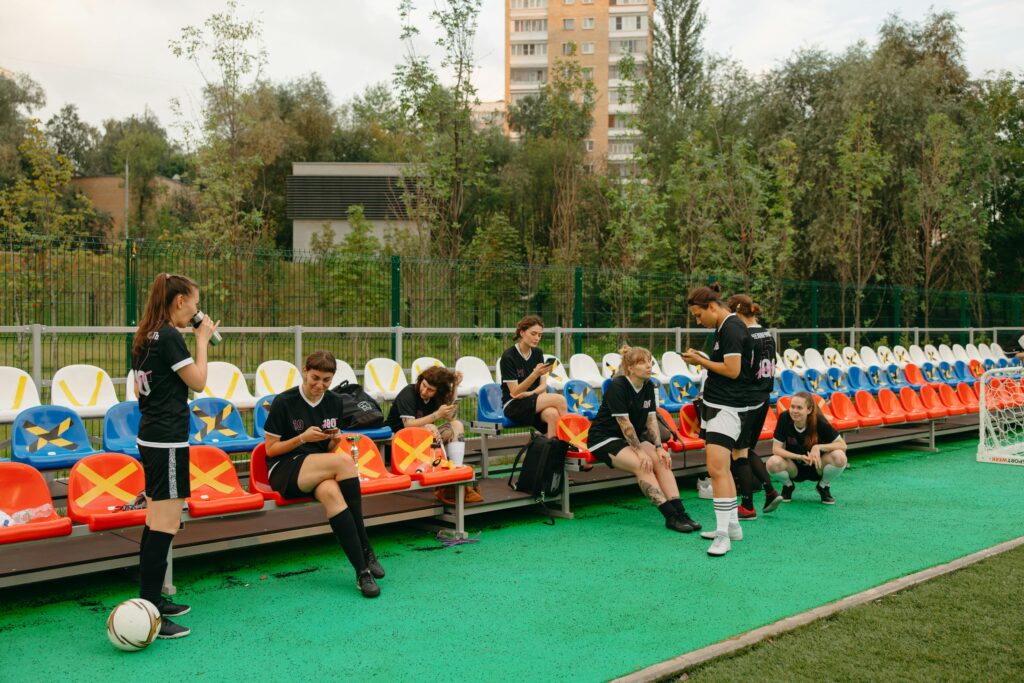
It’s Sunday afternoon. You drove an hour each way, paid the tournament fee, packed the snacks, and set up your chair on the sideline. Your kid warmed up with the team, bounced on their toes during the national anthem — and then sat on the bench for 48 of the game’s 50 minutes. You drove home mostly quiet. This is one of the most frustrating experiences in youth soccer — and also one of the most common. If your child isn’t getting playing time in youth soccer, you are not alone, and the frustration you’re feeling is completely reasonable. What matters now is what you do with it. This guide walks through the most likely reasons it’s happening, how to have a productive conversation with the coach, how to support your player through it, and — when the time comes — how to know whether it’s worth staying or moving on.

Why Kids aren’t getting playing time in youth soccer
Before you do anything else, it helps to understand what’s actually driving the situation. Most playing time problems trace back to one of four causes — and they require very different responses.
1. The Roster Is Too Big for the Format
This is more common than most parents realize. A U10 team playing 7v7 with 14 kids on the roster means someone is always sitting. A U12 team in 9v9 with 16 players creates the same math. When rosters are bloated relative to the field format, even capable players spend significant time on the bench — not because of anything they did, but because there simply aren’t enough minutes to go around. If this is the case, no amount of player improvement will fully solve the problem. The solution is either a conversation with the coach about roster management or a decision about whether this team is the right fit.
2. Performance in Training Is the Deciding Factor
At the competitive level, most coaches — especially at U12 and above — allocate playing time based on what they see in practice, not just games. Attitude, effort, coachability, and consistency in training all factor into who gets minutes on game day. This is worth examining honestly. Is your player fully engaged at every practice? Are they asking questions, staying late, responding well to correction? Coaches notice — and they reward the players who show up mentally, not just physically. This is also the most actionable cause. If training effort is the issue, it’s fixable — and fixing it is entirely in your player’s control.
3. The Team Is in a Winning-First Environment
Some clubs and coaches, even at younger ages, prioritize winning over equal development. The same 10–11 players get the bulk of the minutes because they’re the ones most likely to win the game right now. The other six kids exist, in effect, as roster depth. This is a legitimate coaching philosophy — it’s also, in the opinion of many youth development experts, the wrong one at the younger age groups. But understanding that it’s a deliberate philosophy (rather than an oversight) helps you decide whether to work within it or find a different environment.
4. Position Competition or Tactical Fit
Sometimes a player is genuinely good — but there are two or three other players in their position who the coach currently views as stronger options. Or a player’s style doesn’t fit the system the coach is building. This is especially common after players move up from a recreational league into competitive soccer for the first time. This isn’t permanent. Tactical fit evolves as players develop and as coaches adjust their systems. But it’s worth knowing if this is the root cause, because the path forward is different than if the issue is effort or roster size.
Before You Do Anything — Talk to Your Player First
This step gets skipped constantly, and it’s the most important one. Before you email the coach, before you vent to other parents on the sideline, before you start researching other clubs — sit down with your kid and find out how they actually feel. Some players are crushed by limited playing time and dreading every game day. Others are genuinely fine — they love practice, they love their teammates, and the bench time doesn’t bother them as much as it bothers you. Some kids are relieved not to be in the spotlight yet. Some are embarrassed and hiding it.
You cannot navigate this situation well without knowing which version of the story you’re actually in. Ask open questions: “How do you feel about how much you’ve been playing lately?” “What do you think is going on?” “What do you want to do about it?” Their answers should drive everything that comes next. A player who is miserable and losing motivation needs a different response than a player who is quiet but still engaged. One more thing: the car ride home from a game where your child barely played is not the time for this conversation. Emotions are too high. Wait until the next morning when things have settled.
How to Talk to the Coach (Without Making Things Worse)
If your child is bothered by not getting playing time in youth soccer, and the pattern has persisted long enough to be a real concern, a conversation with the coach is the right next step. But how you approach it matters enormously; for your relationship with the coach, for your player’s standing on the team, and for whether the conversation actually produces anything useful. Here are the ground rules:
Do not approach the coach right before a game
Never approach a coach right before or after a game. Emotions are running high on both sides. Nothing productive comes from a parking lot confrontation. Request a separate conversation — by email or text — and schedule it for a weekday when there’s no competitive pressure on either of you. Lead with curiosity, not accusation. The coach will shut down immediately if they feel attacked. Start from a place of genuinely wanting to understand: “I want to understand what [player] needs to be working on to get more opportunities.” That framing keeps the conversation collaborative. Ask the one question that actually matters: “What’s one or two things my kid can focus on in training to earn more playing time?” A good coach will have a specific answer. A vague non-answer tells you something important, too.
Bring your player if they’re U12 or older. At that age, players are capable of having this conversation themselves — and it teaches them something invaluable about advocating for themselves, receiving feedback, and taking ownership of their development. A parent who speaks for a 13-year-old in a playing time conversation is doing their kid a disservice. Take notes. Write down what the coach says. It gives you something concrete to work with, and it signals to the coach that you’re serious about following through — not just venting. What to do after the conversation: go home, share what you learned with your player, and give it 3–4 weeks to see if anything changes. A single conversation isn’t going to immediately shift roster decisions. What you’re watching for is effort in training, responsiveness from the coach, and whether your player starts getting even small increases in game minutes.
How to Support Your Player WHO isn’t getting playing time
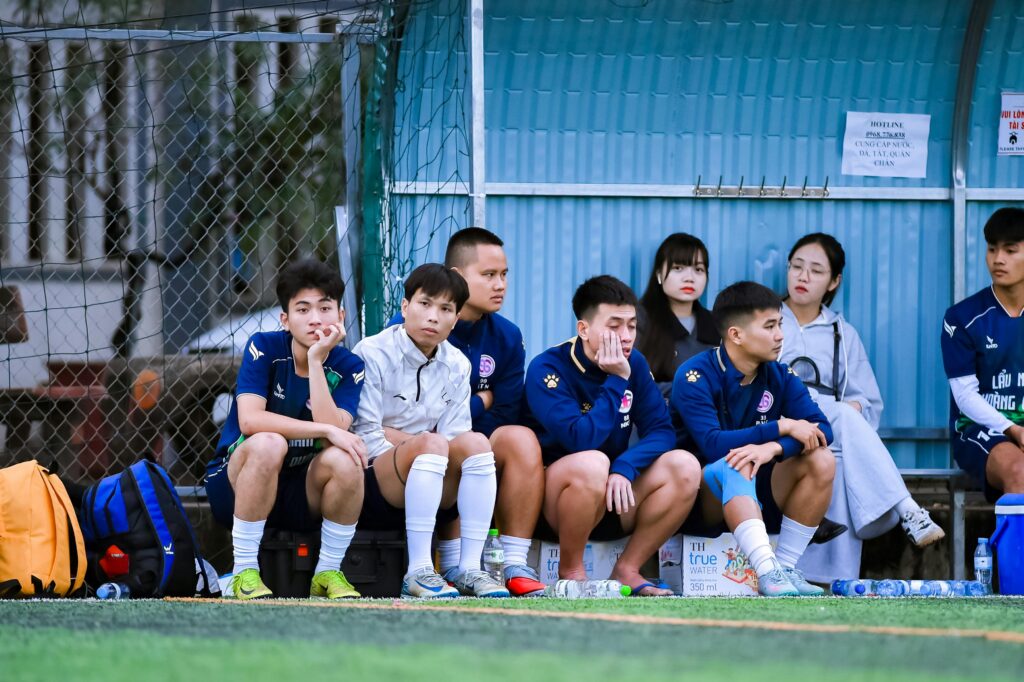
The biggest mistake parents make when their child isn’t getting playing time in youth soccer isn’t confronting the coach — it’s making the child feel worse about it at home. When a player sits the bench for most of a game and then comes home to a parent who is visibly frustrated, who replays every sub rotation, who compares their child’s minutes to another kid on the team — the bench starts to feel like a failure. And failure at 10 or 12 years old has a way of sticking.
Here’s what actually helps: Separate your emotions from theirs. Your frustration is valid. It belongs in a conversation with your spouse, your friend, or honestly, an article like this one. It doesn’t belong in the car on the way home with your kid. Focus on what they can control. Training effort. Attitude. Asking the coach questions. Watching film of their position. These are all things a player can act on. Minutes in a game are not — not directly.
Keep the game fun. If your player still loves practice, still looks forward to seeing their teammates and is still kicking the ball around in the backyard because they want to — the situation is manageable. The moment soccer stops being something they choose and becomes something they endure, you have a different problem. Remind them the landscape shifts. The kid who is the starter at 11 is not always the starter at 14. Development is nonlinear. Late bloomers regularly overtake early standouts. Playing time at U10 is not a prediction of anything.
When Limited Playing Time Is Actually a Development Problem
Not getting playing time in youth soccer isn’t just emotionally frustrating — it can genuinely slow a player’s development in ways that matter. Games are where players learn to make decisions under real pressure. Training can build technique and fitness, but the combination of reading opponents, solving problems at speed, and executing under stress only happens in match situations. Coaches and researchers in youth player development are consistent on this point: players who accumulate meaningful game minutes develop faster than players who don’t, regardless of training volume. This means that persistent, long-term limited playing time isn’t just a confidence issue — it’s a development issue.
A player who is practicing three times a week but playing fewer than 20 minutes per game for an entire season is falling behind peers who are getting full games, even if those games are at a lower level. This is one of the most important framing shifts for parents: a starter on a B team is often developing faster than a bench player on an A team. The “better team” isn’t always the better development environment.
The Signs It’s Time to Move On
Some playing time situations resolve on their own. The player improves, earns more minutes, and the season ends on a better note. But some situations don’t resolve — and staying too long in the wrong environment has real costs: to a player’s development, to their confidence, and eventually, to whether they stay in the sport at all. Here are the clearest signs that it may be time to find a different team: The coach can’t or won’t tell you what your player needs to improve. If you have a constructive conversation and the feedback is vague, dismissive, or non-existent — that tells you the coach either doesn’t have a plan for your player, or doesn’t value your player’s development enough to articulate one. Neither is a good sign.
Your player has been disengaged for a full season. Not just frustrated after a rough game — genuinely checked out. Going through the motions, dreading practice, stopped caring about outcomes. At that point, limited playing time has already done damage to their motivation. The playing time gap is clearly about politics, not performance. This happens. The coach’s kid plays every minute. Players whose parents are team managers get favoritism. If your player is outperforming players who consistently get more time, and the pattern has been consistent and documented, it’s okay to name what you’re seeing.
Your player asks to leave. This is the clearest signal of all. When a young player — not a parent, the player — says they want to try something different, that wish deserves serious weight. When you do decide to move on, do it cleanly. No scorched-earth emails, no drama with other parents, no social media. Youth soccer is a smaller world than it seems. Leave professionally and let your player do the same.
A Note on Age Group and Playing Time Expectations
One thing that helps parents calibrate expectations: the norms around playing time shift significantly by age group, and most parents don’t know this. At U8–U10, most leagues have equal playing time rules. If your child isn’t getting equal time at this age, something is genuinely wrong — and you should raise it directly with the coach and, if needed, the club director. At U11–U12, playing time starts to become merit-based on many competitive teams, though most good development-focused clubs still ensure everyone gets meaningful minutes.
At U13–U14 and above, playing time is largely earned through training performance. Starters play more. Reserves play less. This is the norm at competitive levels, and players and parents need to understand and accept it. Knowing which category your situation falls into changes the entire conversation. A parent of a U9 who sits half the game has a legitimate grievance. A parent of a U15 on a competitive club team who doesn’t start every game is in a very different situation — and the response should be different too.
Common Questions About Playing Time in Youth Soccer
For players under 12, a parent-led conversation is appropriate. For players 12 and older, the player should be either leading the conversation or actively participating in it. Learning to advocate for yourself is one of the most important things youth sports can teach — and a parent who does all the talking robs their kid of that lesson.
Give it 3–4 games before raising it with the coach. A single game with limited minutes isn’t a pattern. If the situation is consistent across a month or more of play, that’s worth discussing.
Take note of it and factor it into your next decision. A coach who can’t engage professionally with a respectful parent question is giving you important information about the environment your player is developing in.
Depends on age and level. For U12 and under, no — meaningful minutes in games matter more for development than the prestige of the roster. For U15 and above, training environment quality may outweigh playing time, but only if the player is genuinely close to competing for starting minutes in the near term.
Yes — meaningfully. Game experience builds decision-making under pressure in ways training alone cannot replicate. A player consistently getting 10–15 minutes per game over a full season is missing a significant developmental input compared to peers getting full games, even at a lower level.

What to do when your child is not getting playing time
Your child not getting playing time in youth soccer is painful — for them and for you. But how you handle it will matter more than the situation itself. Start with your player. Find out how they feel before you do anything else. If they’re hurting, talk to the coach — calmly, specifically, and with the right questions. Give the feedback a real chance to work. And if things don’t improve, and your player is losing their love for the game — give yourself permission to find a better fit. The goal isn’t getting your kid on the field for more minutes this Sunday. The goal is keeping them in the sport long enough to find out what they’re capable of.