What to Pack for Soccer Games: The Ultimate Parent Survival Kit
Knowing what to pack for soccer games comes down to three categories: your player’s gear, your comfort as a sideline parent, and a weather layer that matches the forecast. Get those three right and game day runs smoothly. Miss one and you’re spending your morning scrounging sunscreen from strangers or watching your kid warm up without shin guards. I’ve been on both sides of that equation — after several seasons coaching and watching from the sideline, this is the complete checklist I actually use, covering everything from a 60-minute weekday game to a full tournament weekend. Whether you’re new to youth soccer or just tired of forgetting something, knowing what to pack for soccer games — and having it ready the night before — is the difference between a stressful morning and a smooth one.
The Core List — What Every Soccer Parent Needs Every Time
These are the non-negotiables. Single game, tournament day, rain or shine — these items are always in the bag.
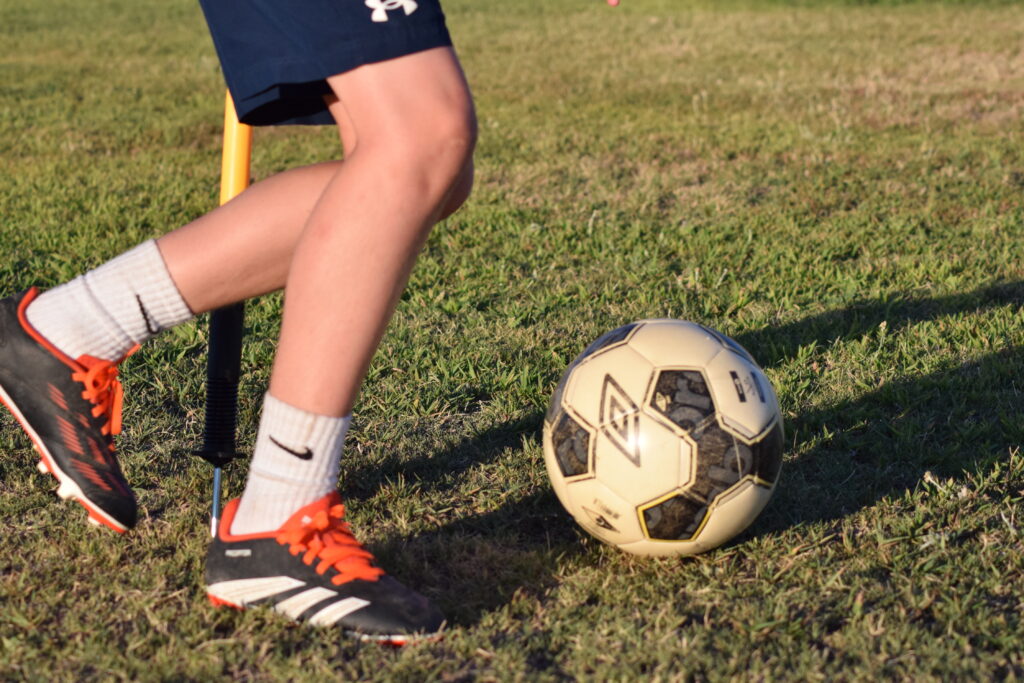
Your player’s gear (confirm the night before, not in the parking lot):
– Cleats — check they’re in the bag, not still in the garage
– Shin guards
– Game jersey, shorts, and socks
– Water bottle, filled
– Any position-specific gear (goalkeeper gloves, etc.)
For you and the rest of the family:
– Folding chair — don’t assume bleachers will be available or comfortable
– Sunscreen, SPF 30 minimum — bring more than you think you need
– Water for everyone, not just the player
– Snacks (more on this below)
– Portable phone charger or power bank — long game days drain phones fast
– Basic first aid: band-aids, antiseptic wipes, instant cold pack, children’s pain reliever
That’s the floor. Everything below builds on it based on conditions, game length, and who’s coming with you.
Weather-Specific Additions
Check the forecast the night before and add accordingly. This is where prepared parents separate themselves from scrambling ones.
Hot Weather (above 75°F)
– Extra water — for a 4-hour day, plan at least 32oz per person per hour
– Cooling towels — wet them, drape them around the neck between games
– Pop-up canopy or large umbrella if you have one; shade is worth every pound of carrying it
– Light-colored breathable clothing for yourself
– Reapply sunscreen every 90 minutes on sunny days, not just at the start
Cold Weather (below 50°F)
– Insulated blanket — folding chairs pull cold up from the ground fast
– Hand warmers — get disposable ones in bulk if your season runs into fall or winter
– Thermos with coffee, tea, or hot cocoa
– Extra layers for siblings and spectators who aren’t moving around like your player
– Warm hat and gloves — the field is always windier than the parking lot
Rain
– Compact umbrella or waterproof poncho for yourself
– Extra towels for postgame
– Plastic bag for wet cleats and gear — don’t let them soak everything else in the car
– Waterproof bag or dry bag for your phone and wallet
One honest note on rain: most youth soccer leagues play through it unless there’s lightning. Show up expecting to stay.
Snacks — What Actually Works on the Sideline
Generic snack advice is everywhere. Here’s what holds up through a real game day.
For your player before the game:
Keep it light and easy to digest. A banana, granola bar, or small PB&J are reliable. Avoid anything heavy, greasy, or dairy-based in the 60–90 minutes before kickoff. For a full breakdown of pre-game fueling, the guide below covers it in detail.
At halftime:
Orange slices are the classic for a reason — fast sugar, hydration, easy to eat in five minutes. Banana halves work too. Skip anything that requires unwrapping, prep, or takes more than two bites.
After the game:
This is where you can be more generous. Fruit pouches, crackers and cheese, a small treat. Your player just burned 800–1,000 calories over 60–90 minutes of competition. They’ve earned it.
For siblings and the long wait:
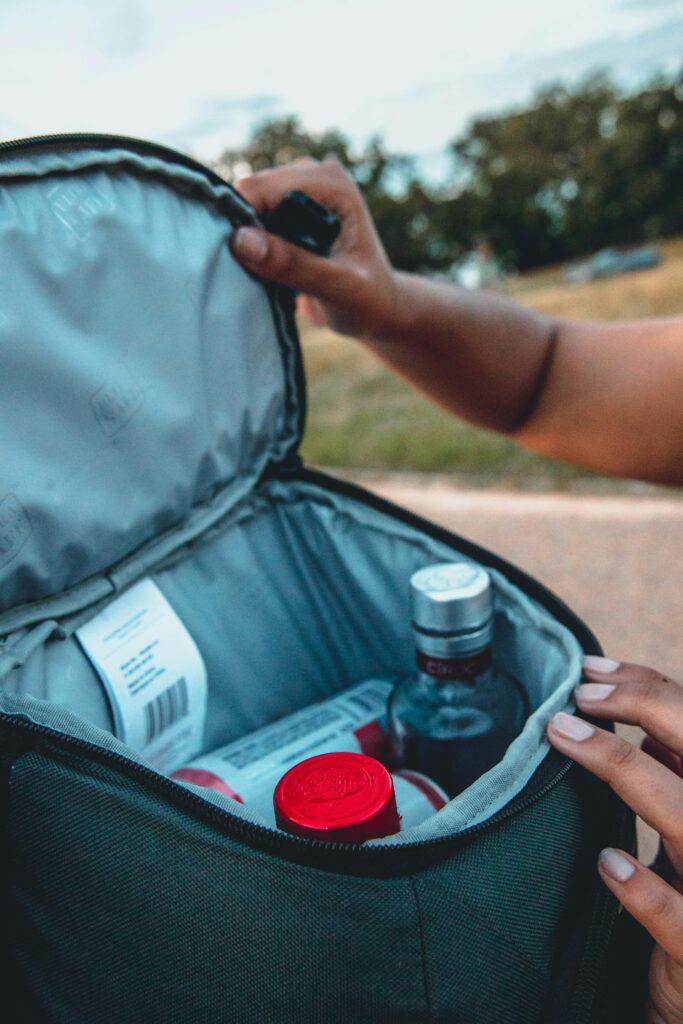
Trail mix, crackers, granola bars, and easy fruit like grapes or apple slices travel well and don’t need refrigeration. A small cooler with ice packs gives you more options and keeps everything from getting warm in a hot car.
What to leave home: anything in glass, perishables without proper cooling, and anything that melts in a bag.

If You’re Packing for a Tournament Day
A single weekday game and an all-day tournament require completely different bags. If you’re heading to a multi-game event, add these on top of the core list:
– Full meals, not just snacks — you’ll be there 6–8 hours, pack real food for everyone
– A rolling cooler — you’ll be grateful you’re not carrying a heavy bag by hour five
– Cash for concession stands — most tournament venues have them and most are cash-only
– Camp chairs for every adult — sharing one chair across a 6-hour day doesn’t work
– Extra set of clothes for your player — a second game in wet or muddy gear is miserable
– Spare cleats or indoor shoes if your player has them
– Extra sunscreen — you will use more than you packed, every single time
– Blister treatment in the first aid kit — tournament days mean more running
For multi-day travel tournaments:
– Laundry plan for gear between game days
– Recovery snacks within 30 minutes of each game (protein and carbs together)
– Take sleep seriously — hotel rooms and unfamiliar beds hit young players harder than most parents expect
Entertainment for Non-Playing Siblings
Not every kid at the field wants to watch soccer for three hours. A little prep goes a long way.
What actually works:
– Tablet with downloaded shows or games — headphones are non-negotiable for everyone around you
– Coloring books, sticker books, or activity pads
– Small toys with no loose pieces you’ll spend 20 minutes finding in the grass
– A ball they can kick around near the sideline during warmups and halftime
The best solution for most younger siblings is a job. Put them in charge of the snack bag, water refills, or leading the cheers at a specific moment. Engagement beats distraction every time over a long game day.
The Night-Before Routine That Eliminates Morning Chaos
Game day mornings are chaotic enough. Do as much as possible the night before.
The night before:
1. Check the forecast and adjust your bag for conditions
2. Pack your bag completely — don’t leave it half-done
3. Charge your phone and power bank
4. Confirm your player’s bag: cleats, shin guards, jersey, water bottle
5. Fill water bottles and prep snacks
6. Set everything by the door or load it into the car
Morning of:
– Add ice to the cooler if you prepped it overnight
– Fill thermos if bringing hot drinks
– One 60-second bag check — not a full repack
The single biggest game-day time saver: keep a permanent game day bag with non-perishables already packed year-round. Chairs, blanket, hand warmers, band-aids, sunscreen — they live in the bag. On game day you’re only adding food, drinks, and electronics. Prep time drops from 20 minutes to 5.
Common Questions About What to Pack for Soccer Games
Water and sunscreen, in that order. Everything else is a convenience. A player who runs out of water in the second half or a parent fighting a sunburn by noon makes the whole day harder than it needs to be. Get those two right and you’ve handled 80% of game-day preparedness.
Orange slices, banana halves, or a plain granola bar. The goal at halftime is fast energy and a little hydration — not a full meal. Keep it simple, easy to eat in five minutes, and something your player can manage without sitting down.
The core list is the same for both. The main difference is time. Recreational games are shorter with more flexibility. Competitive games and tournaments run longer with less downtime between events. For competitive and tournament play, scale up on food, water, and sun protection proportionally.
A large tote bag works for single games. For tournaments, a rolling cooler is worth the investment — you’ll be hauling food and water for 6–8 hours and your back will thank you. For cold-weather seasons, an insulated backpack-style bag keeps hot drinks warmer longer than a standard tote.
Glass containers (safety hazard on any field), anything valuable you can’t afford to lose, perishables without proper cooling, and gear you’ve never actually needed in two seasons but keep packing anyway. A lighter bag makes every game day easier.
The Bottom Line about what to pack for soccer games
Knowing what to pack for soccer games is mostly a systems problem, not a memory problem. Build the permanent bag once with your non-perishables, prep the night before, check the weather, and load the car. The parents who look effortlessly prepared aren’t packing anything exotic — they just stopped leaving it to the morning of.
Screenshot the master checklist above, save it to your phone’s camera roll, and revisit it at the start of each season. Conditions shift from summer to fall to tournament weekends, but the core list stays constant.