Every few weeks a parent corners me after practice with some version of the same question: should my kid be doing soccer practice at home on top of what we’re already doing three nights a week? Usually there’s a little guilt wrapped up in it too, like they’re falling behind by not having a cone ladder and a rebounder in the backyard.
Here’s my honest answer, and it’s probably not the one Instagram wants you to hear: 15 to 20 minutes, three or four times a week, is plenty for most kids under 14. Not two hours. Not a structured program with a printed schedule taped to the fridge. Fifteen minutes of a kid actually enjoying a ball at their feet beats an hour of dread every time.
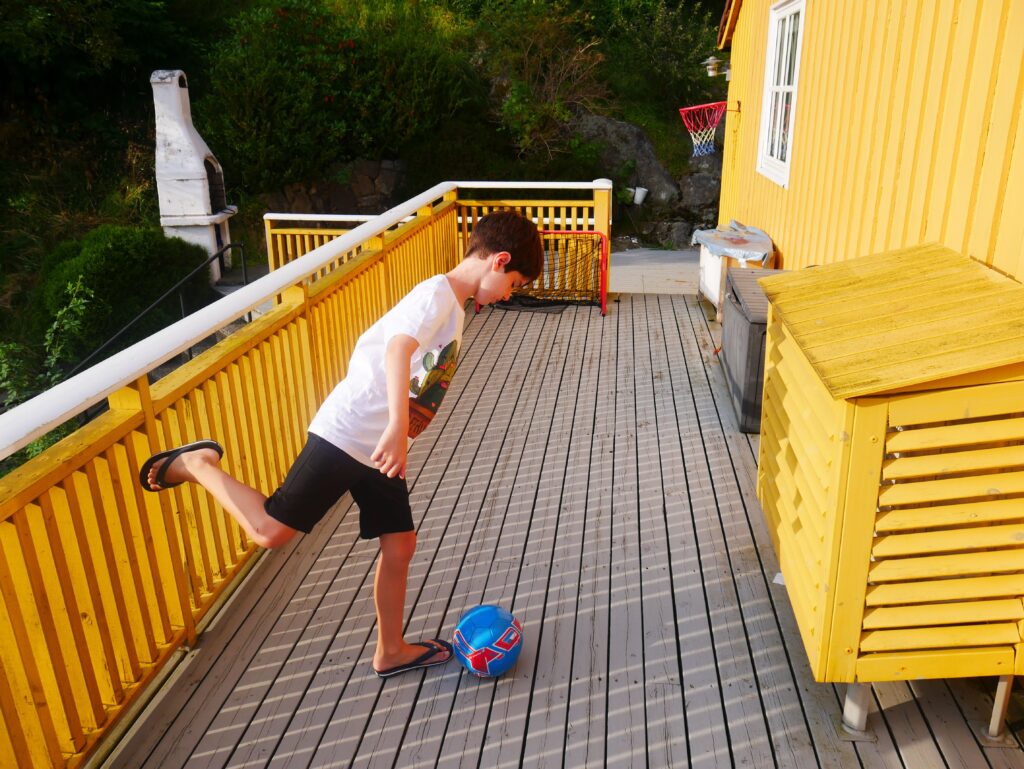
I coach varsity boys now, but I spent years around rec and club teams before that, and the pattern is always the same. The kids who fall in love with soccer practice at home aren’t the ones whose parents scheduled it. They’re the ones who juggle a ball in the living room because they feel like it, or drag a sibling into the yard for a game of 1v1 because it’s fun, not because it’s Tuesday and Tuesday means touches. That difference matters more than the minute count.
A ROUGH GUIDE TO SOCCER PRACTICE AT HOME
If you want a rough guide, here’s what I tell parents:
Ages 6-9: no formal home practice needed at all. Let them play. A ball in the backyard, freeze tag with their feet, whatever gets them moving and having fun with a ball nearby counts.
Ages 10-13: 10-20 minutes a few times a week is a good target, and it should look more like play than training. Juggling, dribbling around the yard, a wall to pass against. Skip the structured drill circuits at this age.
Ages 14+: this is where a bit more intentional soccer practice at home starts to pay off, especially first touch and weak foot work, since games move faster and there’s less room to think. Even here, 20-30 minutes is enough on most days.
The bigger thing I watch for as a coach isn’t whether a kid is doing extra reps. It’s whether they still want to. I’ve written before about the signs of a soccer slump and losing confidence and burnout almost always traces back to too much structured pressure and not enough unstructured fun. If your kid groans every time you suggest ten minutes with the ball, that’s not a scheduling problem, that’s a signal to back off.
A FEW HONEST SIGNS
A few honest signs your kid is doing enough soccer practice at home already:
They touch a ball without being asked. They still get excited on game day instead of dreading it. Their skills are improving season over season, even gradually. They have energy left for other sports, homework, and just being a kid.
And a few signs it’s too much: constant complaints of soreness, declining enjoyment of actual team practice, or performance that’s flatlining or dropping despite doing more. According to a 2022 parent survey conducted by The Coaching Manual and covered by SoccerWire, kids who never practice at home are far more likely to say they’re considering quitting the sport altogether, which cuts against the instinct to think less structure means less commitment — it’s usually the opposite that causes burnout.
One more thing worth saying plainly: home practice should never replace multi-sport participation, especially before high school. I get into why in our piece on when kids should start specializing, but the short version is that a kid who plays basketball in the winter and does 15 minutes of ball work three times a week will usually out-develop the kid grinding two hours of soccer practice at home year-round.
If you’re looking for what those 15-20 minutes should actually look like, our backyard drills post has simple stuff that doesn’t need a coach or a training bib to run.
FAQ
Three to four days is a solid target for most ages, with sessions kept short. Consistency beats duration here.
Not necessarily, but it should feel like play, not a workout. If it’s fun and self-directed, 30 minutes is fine. If it’s a forced drill session, shorter is better.
No. Rest days should stay rest days, especially during a heavy club or high school season. Extra touches on an already exhausted body do more harm than good.
First touch and dribbling in tight spaces. Both transfer directly to games and don’t require much space or equipment.