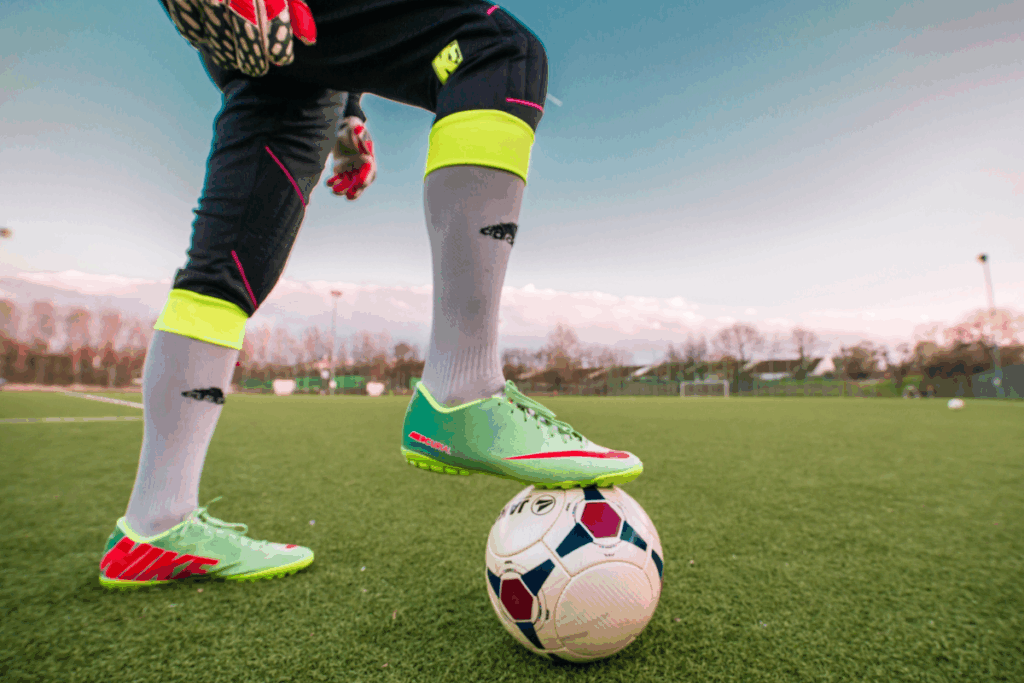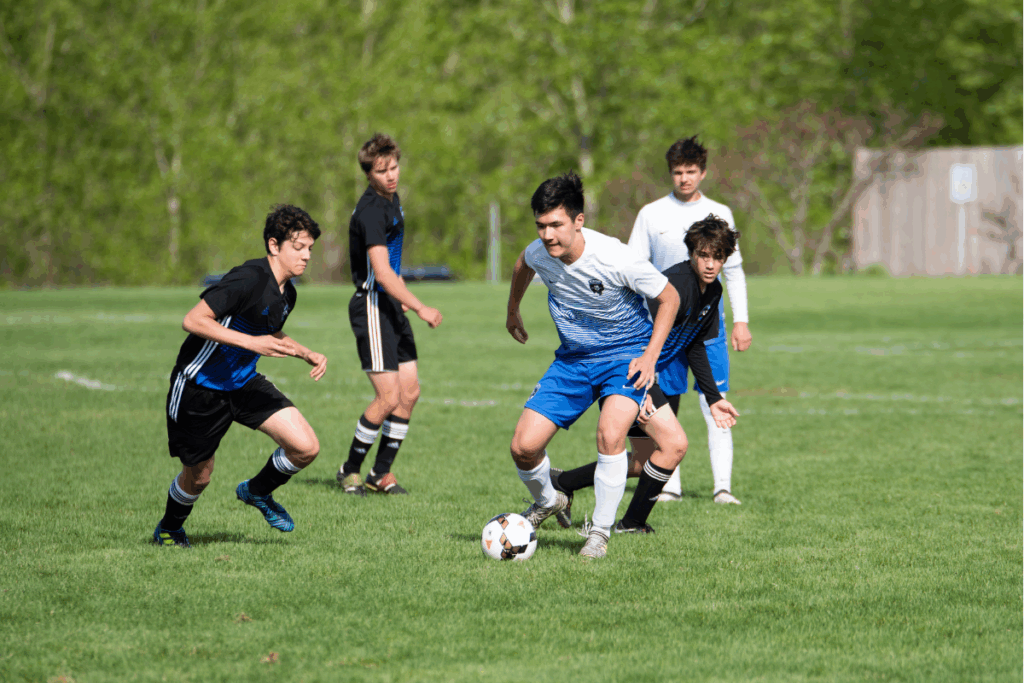
Every team needs a goalkeeper, and on a lot of youth teams that job goes to whoever loses rock-paper-scissors, forgot to hide, or just happened to be standing near the net when the coach needed a body.
But every once in a while, a kid ends up in goal and something clicks. They don’t want to leave. If you’re wondering whether your child might be one of those kids — showing real signs your child loves playing goalkeeper rather than just tolerating it — here’s what to actually watch for.
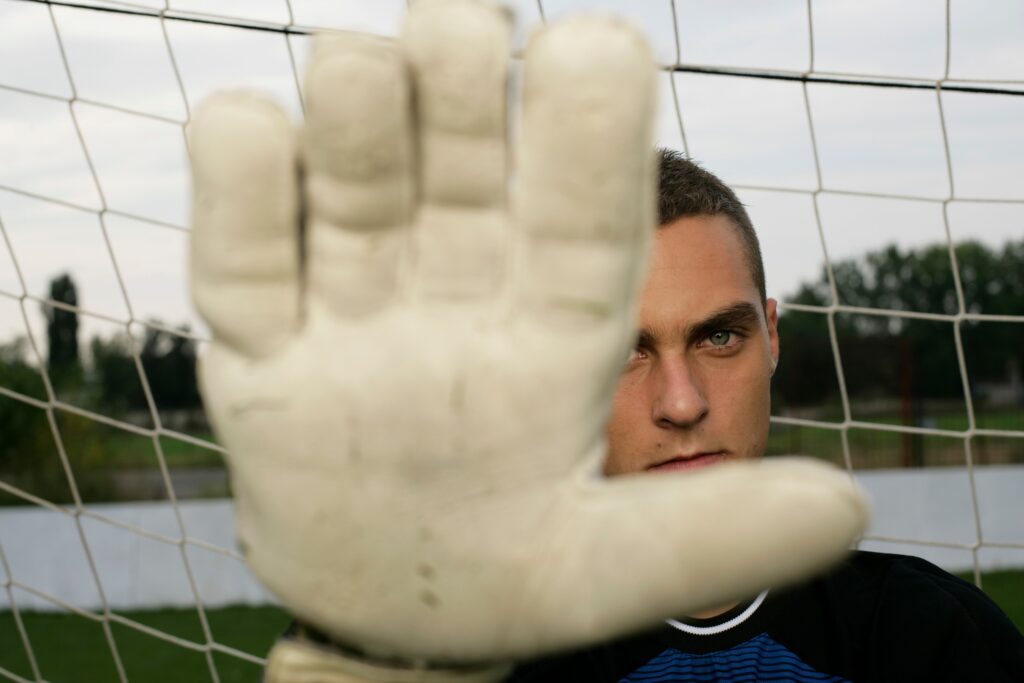
10 signs your child loves playing goalkeeper
1. They keep asking, unprompted
Not once. Not because a teammate begged out of it. Game after game, practice after practice, they’re the one raising a hand before the coach even asks. That repetition matters more than the first time it happens — Prime Focus Goalkeeping’s specialization guide makes the same point: genuine interest shows up as a pattern, not a one-off.
2. The ball coming at them doesn’t scare them — it excites them
Most kids’ instinct is to get out of the way. A kid who’s wired for goal does the opposite. A hard shot heading their direction reads to them as a challenge, not a threat.
3. They talk. Constantly.
Directing the backline, calling for crosses, organizing a wall before a free kick. Most youth players go quiet under pressure. Kids who love goalkeeper get louder. That vocal leadership isn’t something you can really coach into a kid from scratch — it tends to already be there.
4. A goal against them doesn’t wreck their whole game
They’re frustrated for about ten seconds, then they reset and want the next ball. Compare that to a kid who’s miserable in goal — a mistake there tends to spiral, and you’ll see it in their body language for the rest of the half.
5. They like being the last word
Some kids don’t want that pressure at all, and that’s completely fine. But some kids specifically like it — the “if it gets past everyone else, it’s on me, and I’ve got this” feeling. That’s not something you can fake for very long if it isn’t real.
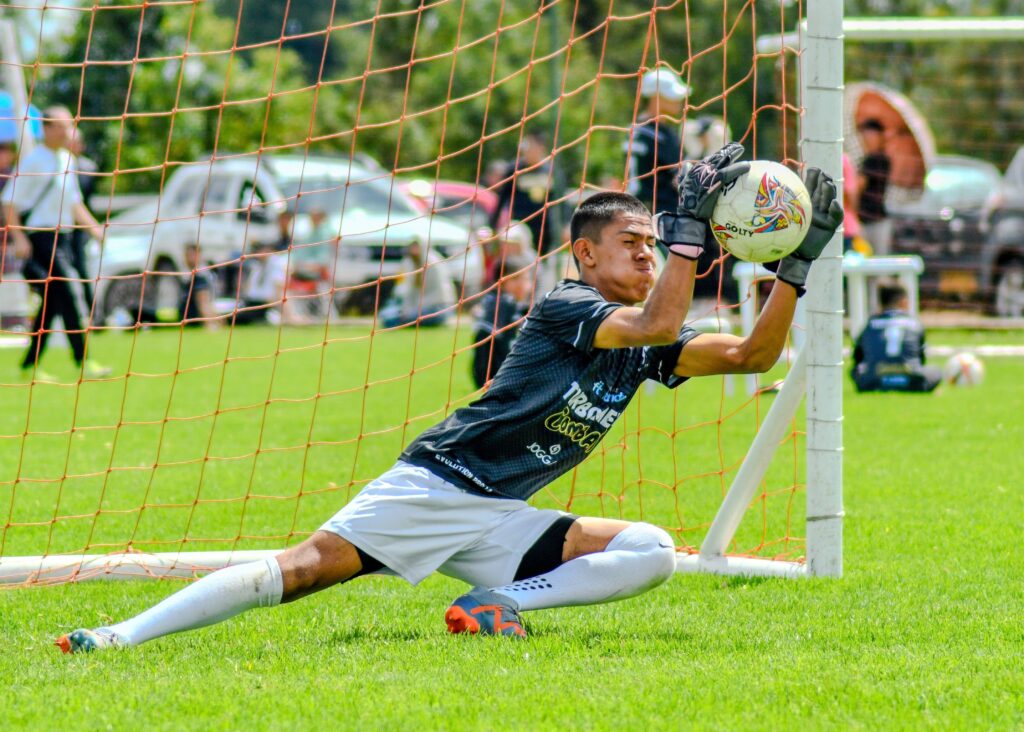
6. They’ll throw their body at things without flinching
Diving, sliding, getting muddy and bruised without complaint — that’s a genuine marker, not just toughness for toughness’s sake. Barça Residency Academy USA’s breakdown of youth goalkeeper skills points to handling and comfort with contact as foundational, not optional extras.
7. They seem to know where the ball is going before it gets there
This is the harder-to-spot one. It shows up as good positioning more than flashy saves — they’re already shifted a step over before the shot is even taken.
8. They still want to play out, too
This one surprises parents. The kids who end up loving goalkeeper long-term usually still want to train as full field players and don’t want to be stuck in one spot all the time. If your child only wants to stand in goal and nowhere else, that’s worth watching rather than encouraging outright — early over-specialization can actually work against a young keeper’s development.
9. They ask how, not just when
How do you catch a ball properly and how do you set your feet before a shot. How do you distribute after a save. Curiosity about the craft of the position — not just wanting the spotlight of it — is one of the clearer signs this is genuine interest.
10. They complain when you take them OUT of goal
This is the tell. Plenty of kids are fine playing goalkeeper when asked. The kids who actually love it get annoyed when a coach rotates them out.
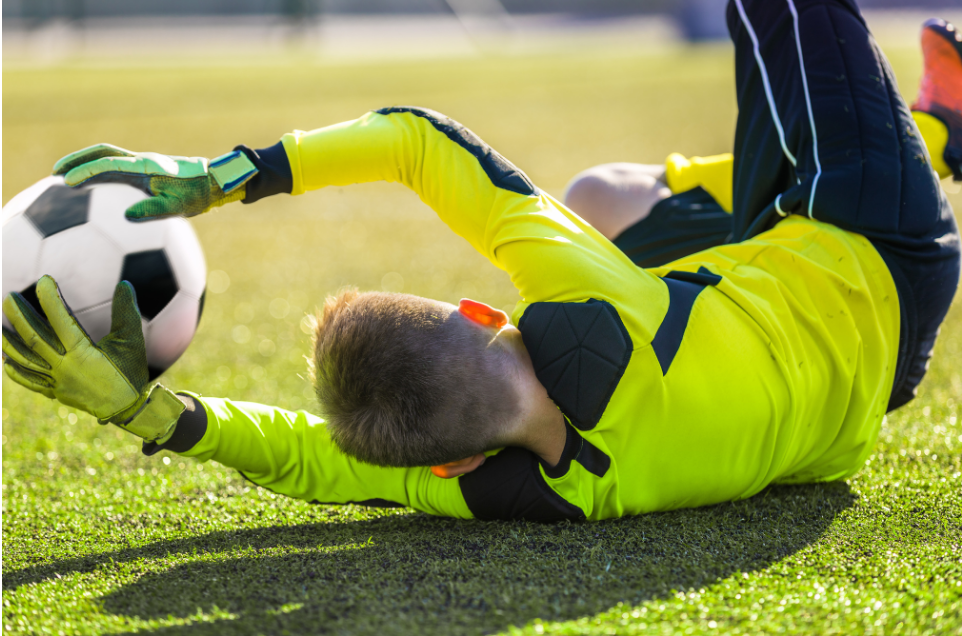
If you’re seeing most of these signs your child loves playing goalkeeper
You don’t need to make any big decisions right away, and you definitely don’t need to specialize a young kid too early. What you can do is give them more reps in goal, let a coach know they’ve got real interest, and watch how they respond over a full season rather than a handful of games. Soccer Parenting Association’s guide to developing goalkeepers is a solid next read if you want the parent-side view of what that season can actually look like — middle school goalkeepers in particular go through a rough stretch most parents aren’t warned about.
For more on how position fit shows up early, see our post on position specialization and what youth coaches actually look for. If confidence after a rough game is the bigger question right now, our post on soccer slumps and confidence covers that directly.
FAQ
There’s no fixed age — plenty of kids try it as young as 6 or 7 in small-sided games. What matters more than age is rotation: young players benefit from trying multiple positions, goalkeeper included, before anyone locks in.
It can be, yes. Kids who specialize very early sometimes miss out on the broader movement skills and game understanding that come from playing multiple positions. Most goalkeeper coaches recommend keeping kids in the rotation through at least the early specialization window (roughly ages 12–14) rather than locking them into goal exclusively.
One bad game isn’t a reliable signal either way. Give it a few more games before treating it as a real decision, and pay attention to whether the frustration fades on its own or keeps building.
Height helps at higher levels, but at the youth level, positioning, reflexes, and courage matter far more than size. Plenty of standout young keepers aren’t the tallest kid on the team.